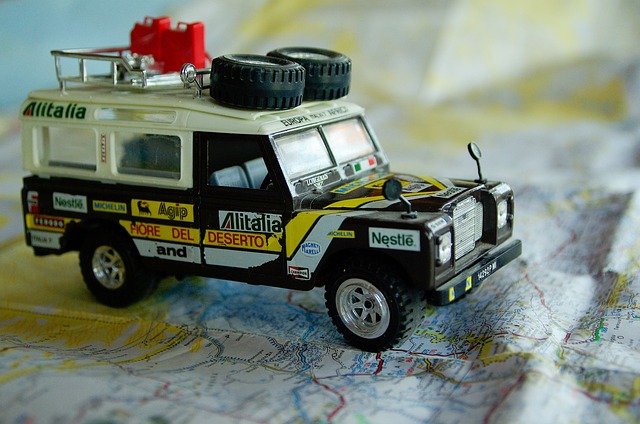
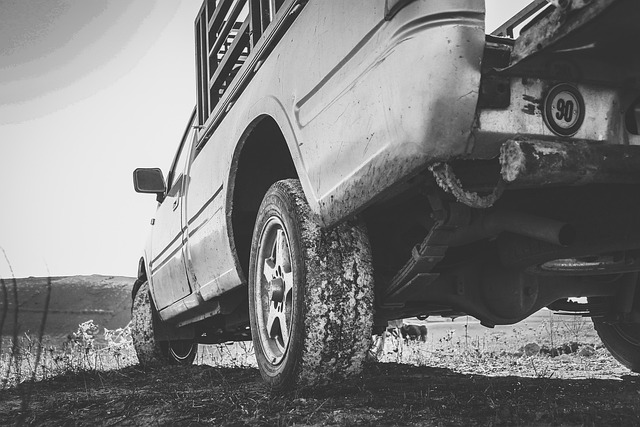
In the world of overland adventures, where rugged terrains are the norm, equipping your truck with the right protection is crucial. This comprehensive guide delves into an essential component for off-road enthusiasts: truck skid plates. We’ll explore their purpose, benefits, types, installation, and how they contribute to a safer and more enjoyable overland experience in McLean and beyond.
Understanding Truck Skid Plates: A Shield for Your Overland Journey
Overland-4×4-parts-McAllen are not just about aesthetics; they play a vital role in safeguarding your vehicle during extreme off-road conditions. Truck skid plates, specifically designed for rugged terrain, act as a barrier between your truck’s underbody and potential damage from rocks, roots, and other obstacles. This simple yet powerful addition can significantly enhance your vehicle’s longevity and overall driving experience.
The Benefits of Investing in Skid Plates
Enhanced Protection
Skid plates are the first line of defense against underbody damage. They shield vulnerable components like the differential, transfer case, and fuel tank from being punctured or damaged by sharp objects commonly found on unpaved roads.
Improved Vehicle Performance
By reducing the risk of critical underbody component failure, skid plates allow for better performance and control in challenging terrains. This translates to more confidence while driving off-road and increased safety for both you and your passengers.
Increased Resale Value
In the world of used 4x4s, vehicles with well-maintained undercarries and protective gear, like skid plates, often command higher resale values. They are a testament to the vehicle’s off-road capability and overall care.
Types of Truck Skid Plates: Which One is Right for You?
Skid plates come in various materials and designs, each offering unique advantages:
Steel Skid Plates
- Durability: Known for their strength and resistance to deformation, steel skid plates are a popular choice among hardcore off-roaders.
- Protection: They provide robust protection against large debris and intense impacts.
- Maintenance: Steel requires occasional painting or coating to prevent rusting, especially in corrosive environments.
Aluminum Skid Plates
- Lightweight: Aluminum offers superior weight savings compared to steel, reducing overall vehicle load.
- Corrosion Resistance: This material is less prone to rust, making it a great choice for coastal or water-adjacent drives.
- Aesthetics: Aluminum plates often have a sleek, polished look that can enhance the truck’s appearance.
Composite Skid Plates
- Lightweight and Strong: Composite materials combine the strength of fiber reinforcements with the lightness of plastic, offering excellent impact resistance at a lower weight.
- Versatility: These plates can be designed to fit various vehicle models and may include integrated diff guards for added protection.
- Maintenance: Composites typically require minimal upkeep and are resistant to rust and corrosion.
Installation: A Step-by-Step Guide
While professional installation is recommended, many overlanders opt to install skid plates themselves. Here’s a simplified guide:
-
Preparation: Ensure your truck is properly lifted and supported for safe work. Gather necessary tools, including jack stands, wrenches, and the new skid plate.
-
Removal of Existing Components (if applicable): Depending on the design, you may need to remove parts like exhaust pipes or fuel lines to access mounting points.
-
Mounting the Skid Plate: Position the skid plate accurately, ensuring it aligns with the vehicle’s underbody contours. Secure it using bolts, brackets, and/or welds as specified by the manufacturer.
-
Reinstallation of Components: After installing the skid plate, carefully reinstall any removed parts, ensuring they are properly fastened for safe driving.
-
Testing: Take your truck for a test drive to verify that all components are functioning correctly and that the skid plate is secure.
Frequently Asked Questions (FAQs)
-
How do skid plates affect fuel efficiency?
Skid plates themselves have minimal impact on fuel efficiency. However, the additional weight may slightly decrease mileage, especially in lighter vehicles. -
Can I install a skid plate without lifting my truck?
While possible, it’s challenging to properly install a skid plate without raising the vehicle. A standard lift kit is recommended for optimal fit and protection. -
Are aluminum plates as durable as steel ones?
Aluminum plates offer excellent durability for their weight class but may not withstand intense impacts or extreme conditions as well as steel. Choose based on your primary driving terrain and usage. -
Do I need a diff guard with my skid plate?
Diff guards provide additional protection for differentials, which are vulnerable to damage from obstacles. Consider a combined skid/diff guard if you frequently encounter challenging off-road trails.
Conclusion: Protecting Your Overland Adventure
Investing in high-quality truck skid plates is a strategic move for any overlander. They offer unparalleled underbody protection, ensuring your vehicle can withstand the rigors of rugged terrain while retaining its value. Whether you’re exploring McLean’s diverse landscapes or venturing further afield, a well-fitted skid plate is a crucial companion on your overland adventures.
Remember, proper preparation and equipment are key to safe and enjoyable off-road experiences. With the right skid plates, you’ll be ready to conquer any trail that comes your way.